
Shelter Belt Clearing in Sioux Falls & Eastern South Dakota
If its dying, leaning, or in the way, we handle it.
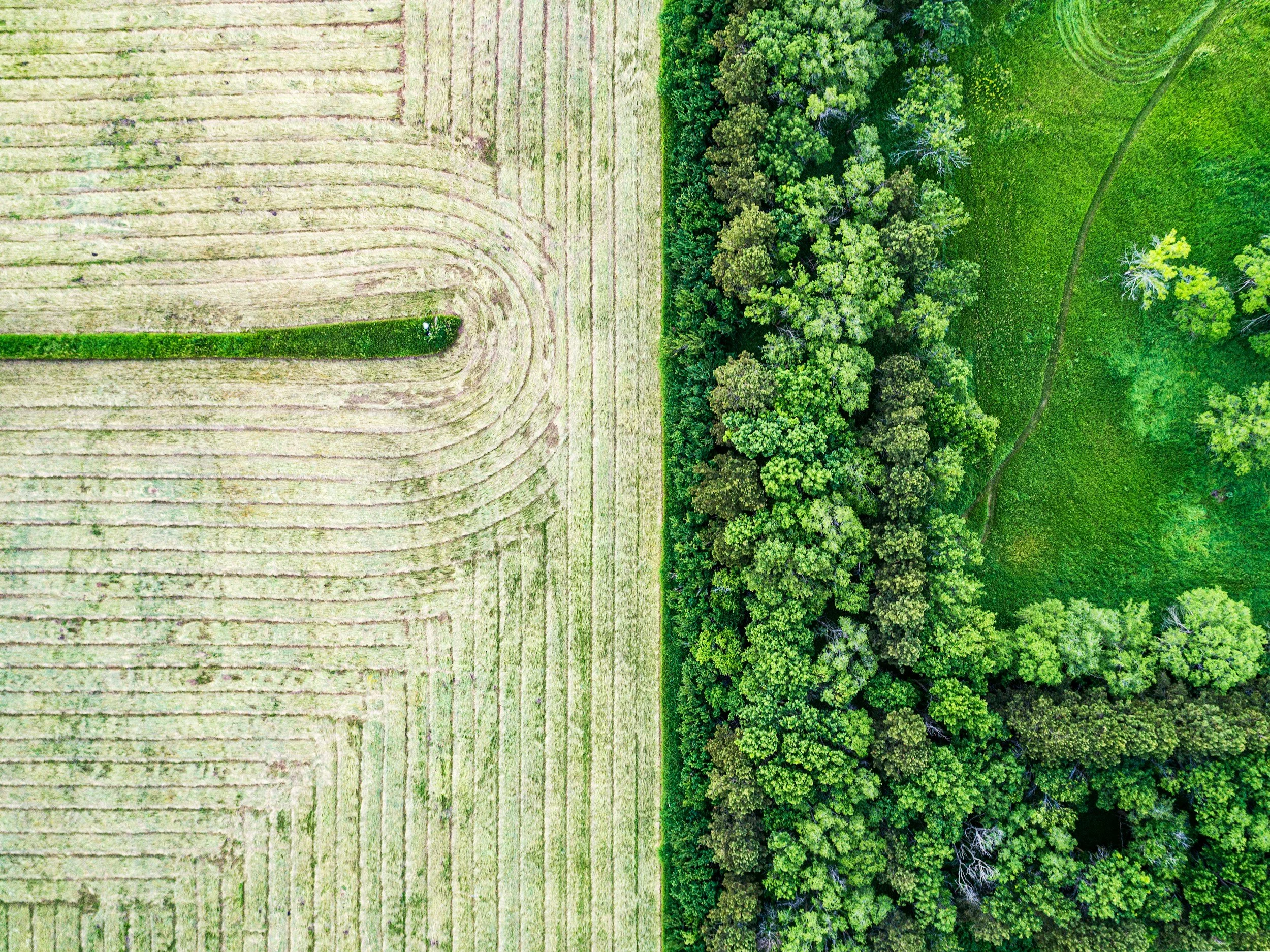
Shelter belts did their job for 50, 60, sometimes 90 years. But across eastern South Dakota, most of those old windbreaks are past their prime. Rows of dead Chinese elm falling into the good trees. Cedars swallowing fence lines. Volunteer trees creeping into fields. Belts blocking a pivot, shading a crop edge, or dropping limbs on machinery and outbuildings.
When a shelter belt stops protecting your place and starts costing you, Arbormaster clears it; completely, cleanly, and without tearing up your ground.
Why Landowners Clear Shelter Belts
The trees are dead or dying. Old plantings of Siberian elm, green ash, Russian olive, and cedar don't last forever. Dead rows are a fire, wind, and safety hazard.
Reclaiming farmable acres. An old belt and its root zone can tie up productive ground along an entire field edge. Clearing it puts that land back to work.
Irrigation and equipment access. Tree rows in the wrong spot block pivots and make it harder to move today's wider equipment.
New property, fresh start. Bought land with a rough old belt on it? Clearing is often the first project after closing.
Renovation, not just removal. Sometimes the right move is taking out one dead row so the healthy rows survive — or clearing the old belt to make room for a new planting.
The right equipment for the job
Plenty of belts around here were pushed out with a bulldozer, and the landowners are still picking sticks out of that ground years later. Dozers bury topsoil, leave depressions, and grind roots into the dirt.
We run equipment built for exactly this work:
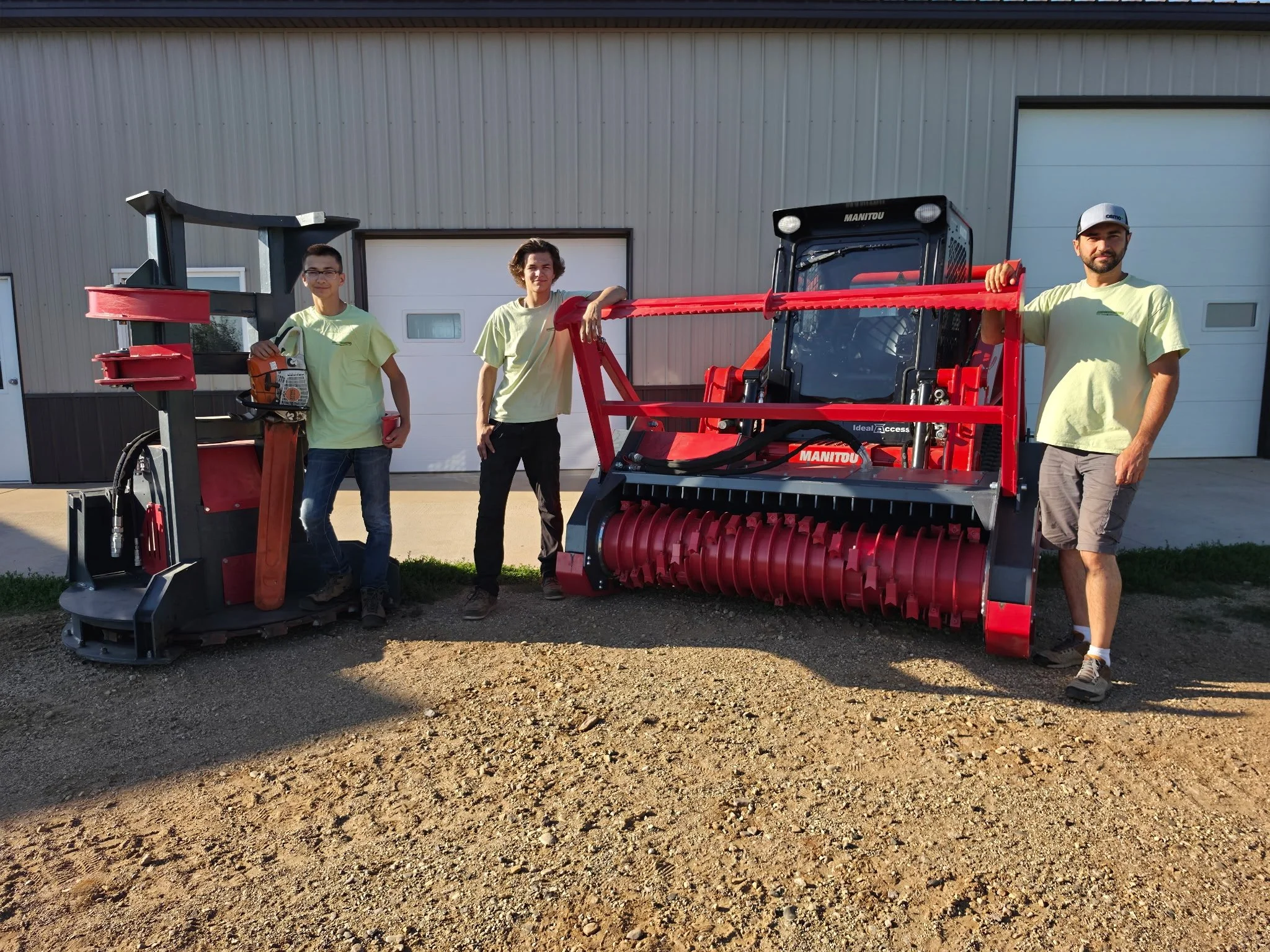
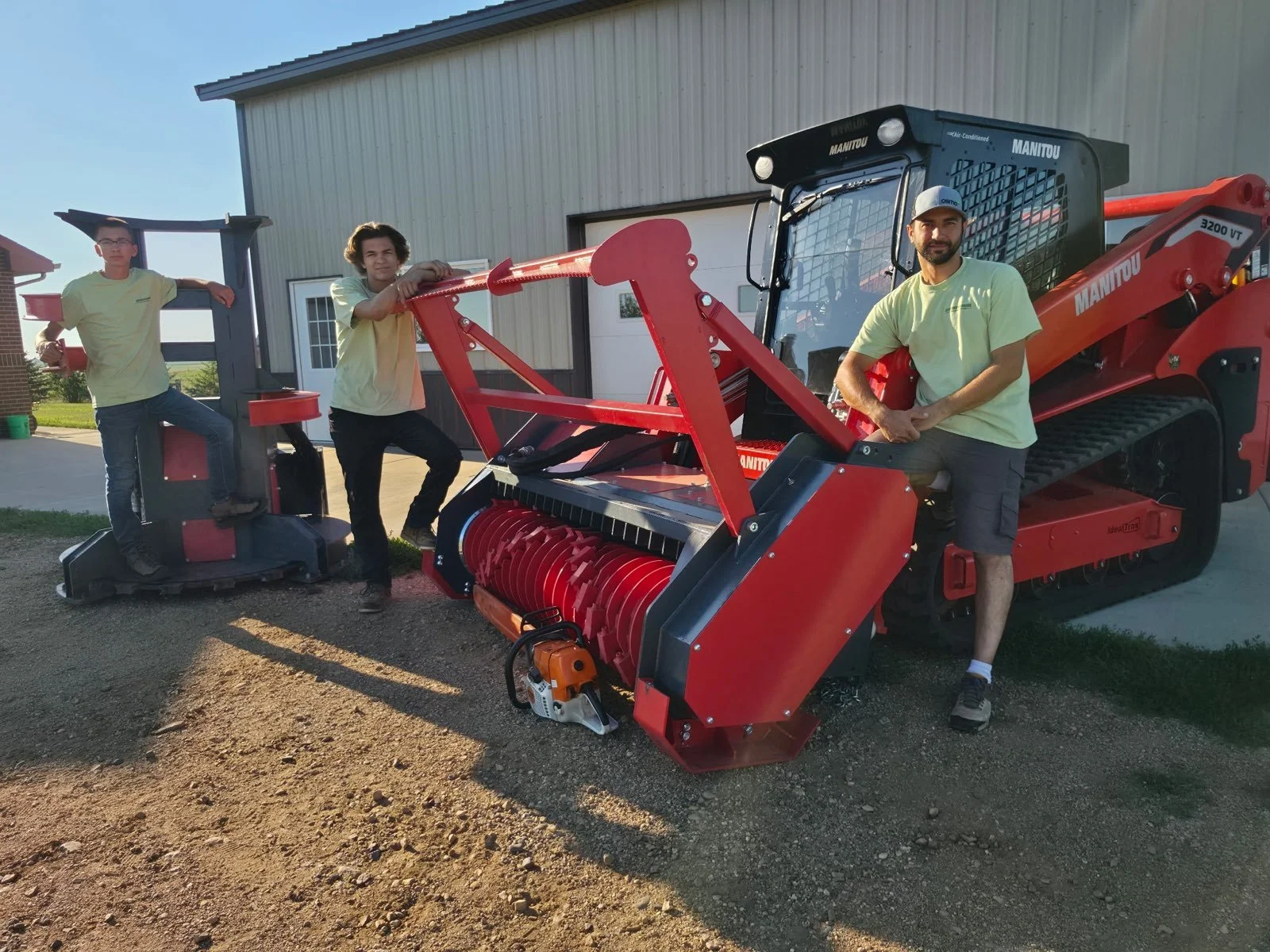
Skid steer tree saw: a rotary felling head that cuts trees off clean at ground level and controls them on the way down. No ripped-up root balls, no craters where trees used to stand.
Forestry mulcher on a Manitou compact track loader: grinds trees, brush, and slash into mulch right where they stand. The tracks spread the machine's weight, so we're not rutting up your field or compacting your soil.
Chainsaw crew: for selective work inside a belt, like dropping a dead row without touching the healthy trees beside it.
We're a tree company, not a dirt crew. Trees come off at the surface, stumps get ground, and the ground you get back is ground you can actually use, the same clean-site standard our Sioux Falls tree removal customers have counted on for years.
Frequently Asked Questions
-
It depends on the length of the belt, the number of rows, tree size and species, and how you want debris handled. That's why we do free on-site estimates and you'll get a real number for your actual belt, not a guess over the phone.
-
Yes. Selective row removal is one of the most common jobs we do. We can take out a dead interior or edge row without damaging the healthy trees around it.
-
We grind them. Leaving stumps and near-surface roots behind is what makes cleared ground unusable
-
es. Depending on the job and your preference, we haul it off, chip it, or pile it on-site for burning.
-
Sometimes. NRCS programs like EQIP have offered cost-share for windbreak renovation by removing an old belt as part of establishing a new one. Check with your local NRCS or conservation district office; we're happy to work within a renovation plan
-
We work year-round. Late fall and winter are popular with farmers as the ground is frozen, crops are out, and the belt can be cleared before spring planting.
Ready to Get That Belt Out?
Arbormaster Tree Service is a licensed and insured, family-owned tree company serving Sioux Falls and the surrounding area. Free estimates, honest advice, and a crew that leaves your ground cleaner than we found it.